
Eight Ends: What we learned from the AMJ Masters format changes
By
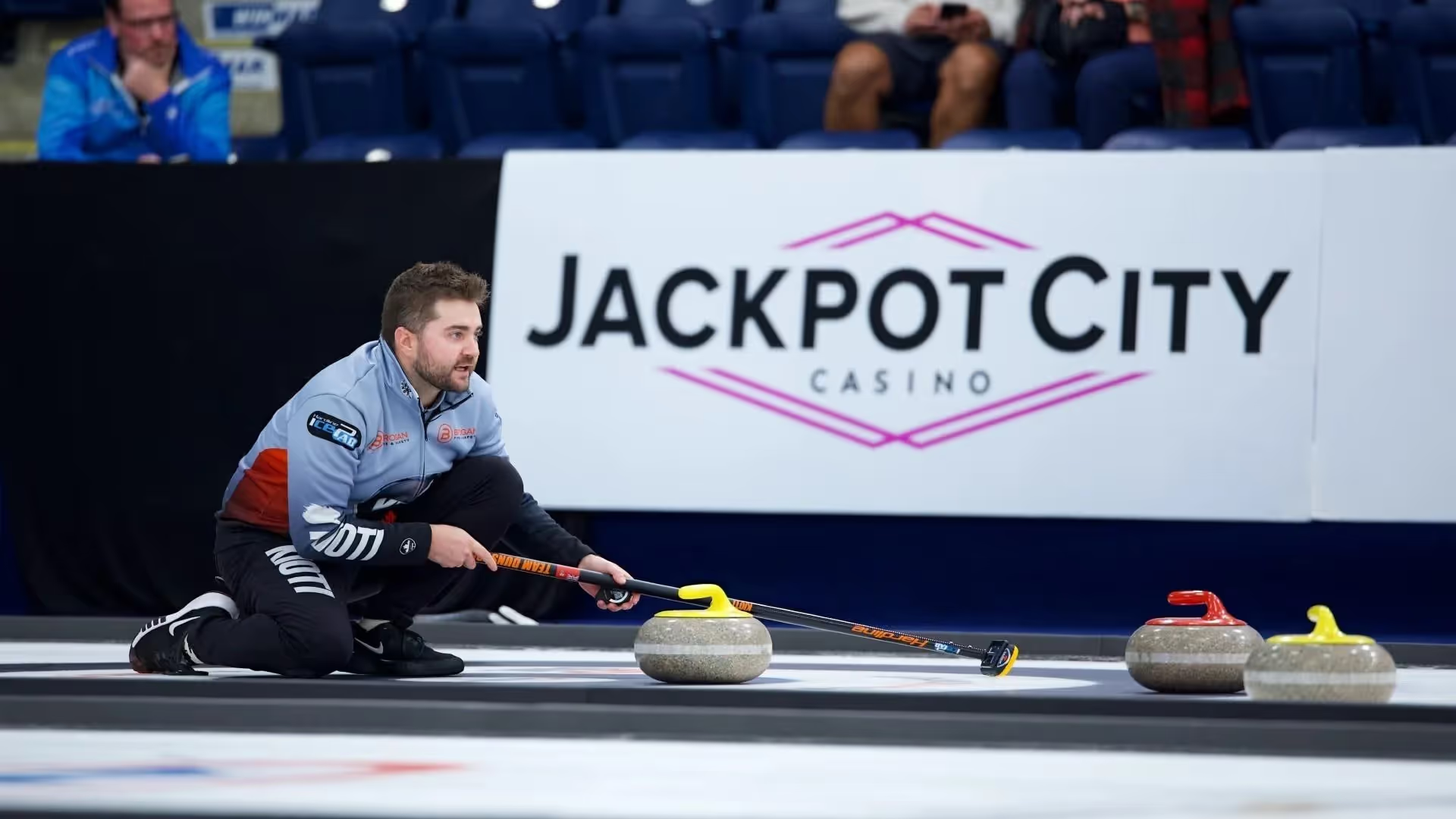
The AMJ Masters kicked off the Grand Slam of Curling schedule in London, Ont., and introduced a couple of twists to the format.
If a game was tied after eight ends during the preliminary round and tiebreakers, instead of playing an extra end, a draw-to-the-button shootout determined the winner. This also factored into the points system, as teams received three points for a regulation win (in eight ends or fewer), two points for a shootout win and one point for a shootout loss.
Let's take a deeper dive into the numbers and how these format changes impacted the event.
FIRST END: Were there more shootouts than extra ends in previous Grand Slam events on average?
It's possible teams were playing more aggressively in the eighth end to avoid a shootout scenario if they needed the full points — or pulling a Minnesota Wild and playing defensively, knowing they had a better chance to win in a shootout than risk it all.
Here's a breakdown of extra ends in Grand Slam events from the previous two seasons.
During the AMJ Masters, a total of nine games required shootouts — five men's games and four women's games — putting things just above average.
What really needs to be studied: Why does the Masters typically yield more extra ends while the Canadian Open has the fewest? Even when the events are moved around on the schedule and held in different locations? Truly a mystery.